Because you’re fascinated by the field of forensic science we see you discovering your future at Cedar Crest College. Follow the evidence and facts:
FACT: Cedar Crest College is one of the few higher-learning institutions in the nation that offers fully accredited forensic science programs at both the undergraduate and graduate levels (as of Spring 2025), just ten other schools share this distinction). Both the undergraduate and master’s programs in forensic science are accredited by the Forensic Science Educational Programs Accreditation Commission (FEPAC) of the American Academy of Forensic Sciences.
FACT: Cedar Crest is committed to educating women scientists. We are one of the few liberal arts colleges to offer programs in areas such as forensic science, chemistry, biochemistry, and genetic engineering and the only women’s college that offers degrees in all of these disciplines. (Note: Our master’s level program accepts both men and women.) Students who major in forensic science can easily double major in biochemistry, biology, or chemistry,
FACT: Our program has three faculty members who are certified by the American Board of Criminalistics.
The Cedar Crest advantage
Studying forensic science at Cedar Crest will prepare you for a wide variety of career paths, such as crime scene investigation, drug chemistry, forensic DNA analysis, toxicology and trace evidence examination.
Recent Cedar Crest graduates have found employment in both public and private sector laboratories, including the New York City Police Department, Pennsylvania State Police, New Jersey State Police, and the Virginia Department of Forensic Science. Other graduates have pursued careers in industries such as pharmaceuticals, cosmetics, and medical research.
Since 2020, 74% of the graduates of the undergraduate program have completed or are currently attending a master’s or doctoral level program Graduates have enrolled in graduate or professional school programs at institutions such as Boston University, Iowa State University, Marshall University, Stony Brook University, and Texas Tech University. In addition, several graduates have stayed at Cedar Crest to earn their Master of Science degree in forensic science.
Since the inception of the Master of Science program in 2007, over 95% of the program graduates are employed in a forensic science or in an allied scientific or criminal investigative capacity.
The forensic science program at Cedar Crest will expose you to a wide variety of disciplines and skills, providing you with a strong foundation from which to launch a career in forensic science. Here, you will interact with forensic science professionals, participate in research using state-of-the-art technology and techniques, and engage in highly sought-after internships.
Fully Accredited by FEPAC
Our forensic science program has earned the highest accreditation possible for undergraduate and graduate studies: Both programs are fully accredited by the Forensic Science Education Programs Accreditation Commission (FEPAC) of the American Academy of Forensic Sciences. Our undergraduate program is one of the oldest accredited forensic science programs in the nation.
Nationally recognized professors
Our faculty members have more than 100 years of professional forensic science experience, and they routinely publish in peer-reviewed publications and present original research at forensic science conferences. Also, our program director, Lawrence Quarino, Ph.D., is a former chair of FEPAC.
A unique curriculum
Our programs will take you from the crime scene to the courtroom. Here, you will receive instruction in subjects as diverse as DNA analysis, toxicology, trace evidence examination, and how to testify as an expert witness. This generalist approach will prepare you to compete for a wide array of careers.
Extensive Research Opportunities
Our students have won numerous research competitions and grants, as well as scholarships from professional organizations. Since 2017, our students and faculty have given more than 100 presentations at regional and national conferences.
State-of-the-art facilities
Here, you will be trained on the leading-edge tools and technology currently utilized by forensic science professionals in the workplace. For example, we’re one of the few undergraduate programs in the nation to provide access to Mass Spectrometry (Tandem) technology and Raman microscopy, which is used in many areas of forensic analysis. (See Facilities for a list of technology available on campus.)
A focus on leadership
Students present at major forensic science conferences, serve in a leadership capacity in the Forensic Science Student Organization (FSSO), and host the College’s annual forensic science symposium, which takes place every spring.
Impressive internships and career placement
Our students have interned in forensic science labs across the nation and around the globe. They have frequently been commended for their knowledge, skill, and work ethic. Also, almost every student who has graduated from our master’s degree program has found immediate employment after graduation.
Foundational Knowledge in Criminalistics. Students will demonstrate a comprehensive understanding of the core principles, topics, techniques, and concepts central to criminalistics including evidence handling and analysis
Critical Thinking and Analytical Skills. Students will perform qualitative and quantitative critical analysis to interpret scientific research, fostering problem-solving and decision-making abilities.
Proficiency with Instrumentation and Technology. Students will demonstrate proficiency in using modern forensic instrumentation and emerging technologies, understanding both their theoretical foundations and practical applications in forensic analysis.
Engagement with Scientific Literature. Students will be able to access, critically evaluate, and synthesize primary scientific literature across forensic and related scientific disciplines to support evidence-based practice and research.
Effective Communication. Students will develop advanced writing, oral communication, and presentation skills to effectively communicate scientific concepts, findings, and implications to diverse audiences, including peers, faculty, and professionals.
Role of Forensic Science in Society. Students will demonstrate an understanding of the forensic scientist’s role within the criminal justice system, including knowledge of legal standards, evidence admissibility, and interagency collaboration.
Ethical and Professional Practice. Students will apply professional codes of ethics to identify, evaluate, and resolve ethical dilemmas encountered in forensic science, emphasizing integrity, accountability, and consequentialism.
Application of the Scientific Method to Crime Scenes. Students will be able to apply scientific reasoning to crime scene management, reconstruction, and interpretation, ensuring the integrity and reliability of evidence.
Interdisciplinary Collaboration. Students will demonstrate the ability to work effectively in interdisciplinary teams, integrating knowledge from forensic science, law, and other relevant fields to solve complex problems.
Lifelong Learning and Innovation. Students will cultivate a mindset of continuous learning to stay current with advances in forensic science, including emerging methodologies, legal developments, and technological innovations.
Number of Full-Time Students in Bachelor of Science in Forensic Science Program as of June 2024 (sophomore-senior) 37
Number of Graduates by Year
2019 4
2020 5
2021 8
2022 5
2023 8
2024 6
2025 15
Number of Graduates Who Attended or are Attending Graduate/Professional School 36
Master’s Degree 30
Number Graduated 12
Still Attending 15
Ph.D. 8
Still Attending 5
Number Graduated 0
Medical School 1
Graduated 0
Still Attending 1
Employment Data (Number of Graduates Employed in Different Areas)
Forensic Science Capacity or Laboratory 7
Crime Scene Technician/Investigation 2
Analytical Laboratory/Quality Assurance Testing (Non-Forensic) 8
Full-Time Student 22
Management (Pharmaceutical/Chemical/Scientific Corporation) 2
High School Teacher 1
College Instructor 1
Not Employed/Unknown 6
Year
Student
Internship Site
2019
Emma Bailey
Ocean County (NJ) Sheriff’s Forensic Science Laboratory
Amanda Kemmerer
Defense Forensic Science Center, Fort Gillem, GA
Alexandra Kuchinos
Union County (NJ) Prosecutor’s Forensic Laboratory
Nyla Ngegba
Prince George’s County (MD) Police Department, DNA Laboratory
2020
Alexandra Arabio
Iowa State University, Center for Statistics and Application in Forensic Evidence
2021
Briana Gregory
DNA Labs International
Zee Marrero
Union County (NJ) Prosecutor’s Office Forensic Laboratory
Alexandra Roy
Office of the Chief Medical Examiner, State of Maryland
2022
Megan Dunkle
Toxicology Department of the Medical Examiner’s Office in Philadelphia, PA
2023
Ashley Large
Denver Police Crime Laboratory
Casey Rech
Toxicology Department of the Medical Examiner’s Office in Philadelphia, PA
Graham Redman
New Jersey State Police, Office of Forensic Services, Central Regional Laboratory, Trace Evidence Unit
Krystal Sears
Union County (NJ) Prosecutor’s Office Forensic Laboratory
2024
Alison Edwards
Armed Forces DNA Identification Laboratory, Dover Air Force Base
Victoriya Georgieva
Forensic Pathology Associates, Allentown PA
Alexis Kline
Toxicology Department of the Medical Examiner’s Office in Philadelphia, PA
Ashley Large
Colorado Bureau of Investigation
Alexandra Panitz
Union County (NJ) Prosecutor’s Forensic Laboratory
MacKayla Reed
Toxicology Department of the Medical Examiner’s Office in Philadelphia, PA
2025
Laney Ferraro
Toxicology Department of the Medical Examiner’s Office,
Philadelphia, PA
Juliette Kolbe
Union County (NJ) Prosecutor’s Forensic Laboratory
Grace Patzer
Maryland State Police Forensic Science Laboratory, Pikesville, MD
Year
Student Name
Senior Year Manuscript Title
2019
Rachel Barrett
Observation of the Entomological Timeline of the Deceased
Morgan Maddock
Detection of Organic Gunshot Residue in Biological Fluids
Jade A. Sodon
Angle of Impact Determination of Bullet Holes
Shannon M. Wolak
Determination of DNA Transfer after Osculation
2020
Amanda Kemmerer
The Development and Analysis of an Enzymatic Based Test for Levamisole in Cocaine Samples
Caitlyn A. Kresge
Analysis of Cortisol Levels in Saliva vs. Fingernails
Alexandra T. Kuchinos
Determination of Enantiomeric Forms of Methamphetamine Using Raman Microspectroscopy
Nyla Ngegba
The Effect of Essential Oils on the Identification of Oral Microbiota
2021
Alexandra Arabio
Handwriting Analysis Through Point Decomposition and Rainbow Triangulation
Khara E. Ekes
A Better Understanding of the Duquenois-Levine Test and Its Applications
Leannan Feldman
Differentiating Between Sharp and Blunt Force Trauma Through the Analysis of Human Head Hair
Kimberly Hane
Use of the Methylation Status of the MyoD Family Inhibitor (MDF1) for Bodily Fluid Identification
Madison E. McGowan
Analysis of the Modified Griess Tess & Gunshot Residue Distribution on Different Fabric Types
Juliet Pearsall
Investigation of the Products of the Reaction of 4-Aminophenol with Cannabinoids
Casey E. Snook
Lifting and Enhancement of Bloody Footwear Impressions on Carpet and Furniture Fabric
Vanessa R. Smith
Development of a High-Performance TLC (HP-TLC) Method for the Analysis of Organic Gunshot Residue
2022
Brianna M. Gregory
Optimization of Fellatio Sample Analysis
Zee Marrero
Determining the Accuracy of “True-to-Eye” Presumptive Drug Test Results in Various Lighting Scenarios
Jade E. Marshall
The Accuracy and Reliability of HemoSpat to Calculate Impact Angles at Varying Distance for Bullet Holes
Alexandra J. Ray
Analysis of Mitragynine and 7-Hydroxymitragynine within Different Forms of Mitagryna speciosa (Kratom)
2023
Audra Bratis
Identifying oral streptococcal DNA in a multiplex qPCR assay to differentiate expirated and impact blood spatter
Haylie Browning
Comparison of Human Perception versus DE for the Marquis Presumptive Test Producing a Yellow Product
Megan Dunkle
Saliva Stain Identification Using Protein Precipitation and Attenuated Total Reflectance Fourier Transform Infrared Microspectroscopy
Nancy Lay
Crime Scene Saliva: Distinguishing Human versus Canine Contributors
Morgan Love
An Objective Method to Differentiate Spatter from Impact and Drip Mechanism on a Vertical Surface
Brianna Jenkins
A Protocol for Analyzing Bloodstained Clothing Compromised by Fire
A. Zoe Monogan
Analysis of Kratom using High Performance Thin Layer Chromatography Coupled with Surface Enhanced Raman Spectroscopy
Abigail Thompson
A Fluorescent Enhancement Method for Footwear Impressions in Ice Melt Products
2024
Casey Rech
Comparison of Nile Red and Diamond Nucleic Acid Dye Fluorescence of Touch DNA on Porous and Non-Porous Surfaces
Natalie M. Reyes
Detection of Benzodiazepines and Metabolites Using Flow-Injection Style Chemiluminescence
Autumn Reynolds
Determine the Fluid Dynamic Properties of the Interaction of Blood on Surfaces of Different Roughness Values at Varying Angles of Impact
Krystal Sears
Optimization in the Identification of Inorganic Ions Found in Home-Made Explosives Using Microcrystalline Tests and Raman Microspectroscopy
2025
Amber Bitner
Presumptive Color Test for the Detection of Xylazine
Jazmyn Davis
The Use of DNA Methylation Status for the Identification of Crime Scene Bodily Fluids
Juliana Delgado
Rapid Quantification of Edible Cannabinoid Products by Chemiluminescence and FRAP Ass
Viktoriya Georgieva
Synthesis and Characterization of Azo Dyes for Latent Fingerprint Detection: A Forensic Application
Alexis Kline
Towards Analyzing the Accuracy of Facial Recognition Software using Training Sets Annotated for Facial Features
Ashley Large
Computational Modeling of Air Resistance and Fluid Flow for Projectiles
Gabrielle Marzigliano
Detection of Diethylene Glycol and Ethylene Glycol Using HPTLC
Alex Panitz
Identification of Human Bodily Fluids Commonly Found at Crime Scenes Using DNA Methylation Status Analysis
Graham Redman
Determining the Variability in Color in Human Hair
MacKayla Reed
Determination of Sodium Nitrite in Blood; A Model for Diagnosing Suicide by Sodium Nitrite
Zakiyyah Shoffner-Sabir
DNA Transfer due to Osculation
Jessica Simins
High-performance thin-layer chromatography (HPTLC) analysis of black reactive dye content of cotton fibers
On Saturday, March 28, 2026, the Forensic Science Student Organization (FSSO) will host its 24th Annual Forensic Science Symposium. The event revolves around interesting cases and experiences that forensic scientists have encountered throughout their journeys.
Course Requirements for the Forensic Science Major
CHE 111 Chemical Principles 4 credits CHE 112 Chemical Equilibrium and Analysis 4 credits CHE 205 Organic Chemistry I 4 credits CHE 206 Organic Chemistry II 4 credits CHE 230 Analytical Chemistry 4 credits FSC 101 Survey of Forensic Science 3 credits FSC 241 Crime Scene Pattern Analysis 3 credits CHE 300 Technical Information 3 credits* FSC/CHE 302 Forensic and Chemical Instrumental Analysis 4 credits CHE 307 Biochemistry I 4 credits CHE 314 Toxicology 2 credits FSC 321 Forensic Chemistry 2 credits CHE 335 Physical Chemistry I 3 credits FSC 347 Trace Evidence and Microscopy 3 credits FSC 348 Forensic Molecular Biology 3 credits FSC 349 Professional Issues in Forensic Science 3 credits BIO 123 Foundations in Biology 4 credits BIO 124 Principles of Cell and Molecular Biology 4 credits BIO 231 Genetics 4 credits BIO 248 Biostatistics 3 credits BIO 335 Molecular Genetics I 4 credits COM 225 Digital Photography 3 credits MAT 141 Calculus I 3 credits MAT 142 Calculus II 3 credits PHY 104 College Physics I 4 credits PHY 105 College Physics II 4 credits PHI 210 Ethics 3 credits
Minimum number of credits required: 92
Double-Major
Students majoring in forensic science are encouraged to double-major in either biochemistry, biology, or chemistry. Students electing to double-major in one of these disciplines must take the following courses:
Biochemistry: CHE 308 Biochemistry II 4 credits CHE 331 Inorganic Chemistry 3 credits CHE/FSC 391 Research 4 credits (2 semesters) CHE 352 Chemistry Seminar 1 credit
Biology: BIO 239 Animal Ecology, Development, and Evolution 4 credits BIO 358 Science, Ethics, and Society 3 credits
Chemistry: CHE 331 Inorganic Chemistry 4 credits CHE 336 Physical Chemistry II 3 credits CHE/FSC 391 Research 4 credits (2 semesters) CHE 352 Chemistry Seminar 1 credit
The mission of the forensic science program at Cedar Crest is to provide students wishing to enter a career in the forensic sciences with a solid foundation in the natural sciences, to emphasize the importance of critical thinking skills in approaching forensic science problems, and to educate students in a broad range of forensic analytical techniques from a generalist perspective.
The Forensic Science programs have assembled a group of distinguished forensic science professionals who periodically provide comments about the program and suggestions for program improvement. The Advisory Committee is comprised of:
Laura Tramontin, Chair, Deputy Director, New Jersey State Police, Office of Forensic Sciences, Hamilton, N.J.
Pasquale Buffolino, Ph.D., Director, Nassau County Office of the Medical Examiner Department of Forensic Genetics, East Meadow, N.Y.
Julia Garofalo, DNA Technical Leader, Bureau of Forensic Services, Pennsylvania State Police
Edward Mazuchowski, M.D., Ph.D, Division of Forensic Medicine and Pathology, Lehigh Valley Health Network
Lisa Mundy, Toxicology Supervisor, Philadelphia Chief Medical Examiner’s Office, Philadelphia, P.A.
Peter Pizzola, Ph.D., Director (retired), New York City Police Department Crime Laboratory, Jamaica, N.Y.
Ted Schwartz, Instructor, University of New Haven,
Ken Williams, J.D., Assistant Chief Forensic Scientist, New Jersey State Police Office of Forensic Sciences, Hamilton, N.J.
Matt Wood, Ph.D., Director, Ocean County (NJ) Sheriff’s Forensic Science Laboratory, Toms River, N.J.
Faculty & Staff
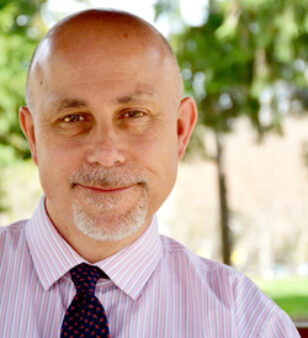
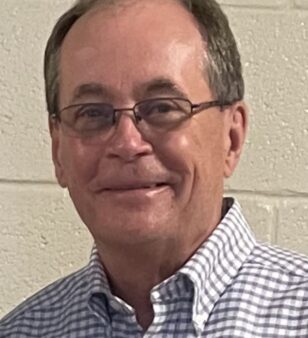
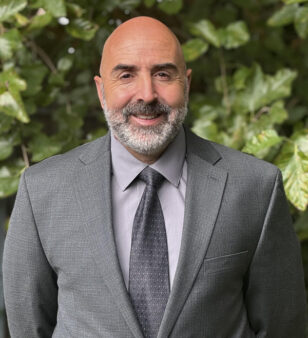
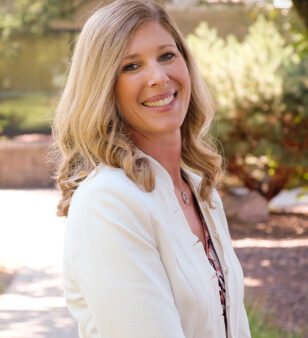
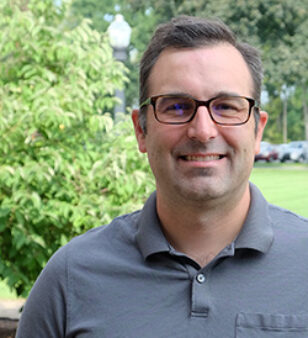
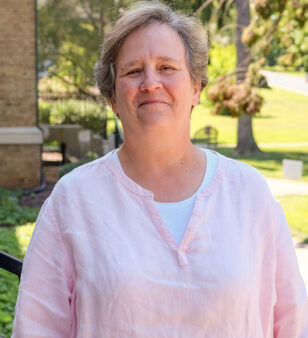
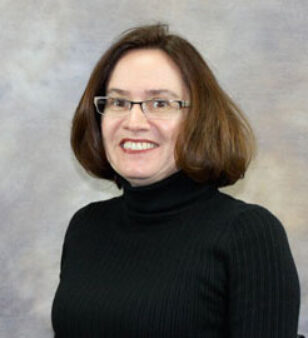
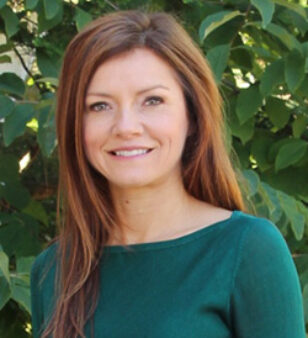
Who’s teaching you is as important as the curriculum you choose. Let’s put a face to some of the names you’ll be seeing on the course listings!