Skip To Content

Transform your classroom into a crime scene lab!
June 29 – July 1, 2026

Give your students an unforgettable experience by attending the three-day Forensic Science Educator Training, hosted by Cedar Crest College.

This immersive, hands-on workshop equips you with the tools, techniques, and confidence to bring real-world forensic science into your teaching. 

Leave with:

  • Ready-to-use lesson plans
  • Hands-on lab techniques
  • Strategies for integrating forensic science into your curriculum
  • Enhanced scientific and instructional skills

Work alongside industry experts as you explore:

  • Crime scene documentation  
  • Evidence collection  
  • Fingerprint analysis  
  • Bloodstain pattern interpretation  
  • Trace evidence analysis  
  • Lab procedures  

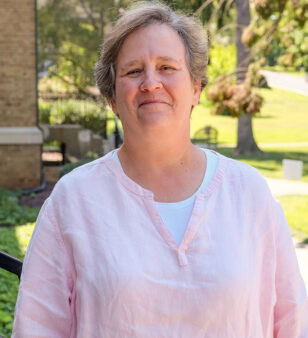
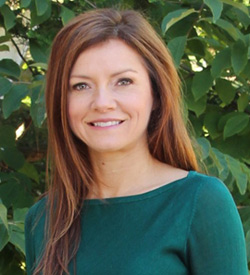
Andra Lewis, Ph.D
[Bio]

Every Step, Every Touch, Every Track — Nothing Escapes the Trained Eye!

Think Criminals Can Vanish Without a Trace? Think Again!
In this hands-on, action-packed session, discover how the impressions left behind at a crime scene — from a sneaker’s unique tread to a vehicle’s tire tracks to the ridges of a single fingertip — can blow a case wide open!

Explore the Fascinating Science Behind Impression Evidence
Learn how forensic investigators collect, document, and analyze often-overlooked clues.

Roll Up Your Sleeves and Get Your Hands Dirty—Literally!
Experience the thrill of lifting fingerprints, casting shoe impressions, and analyzing tire tracks using fun, budget-friendly techniques that can be easily recreated in any middle or high school classroom.

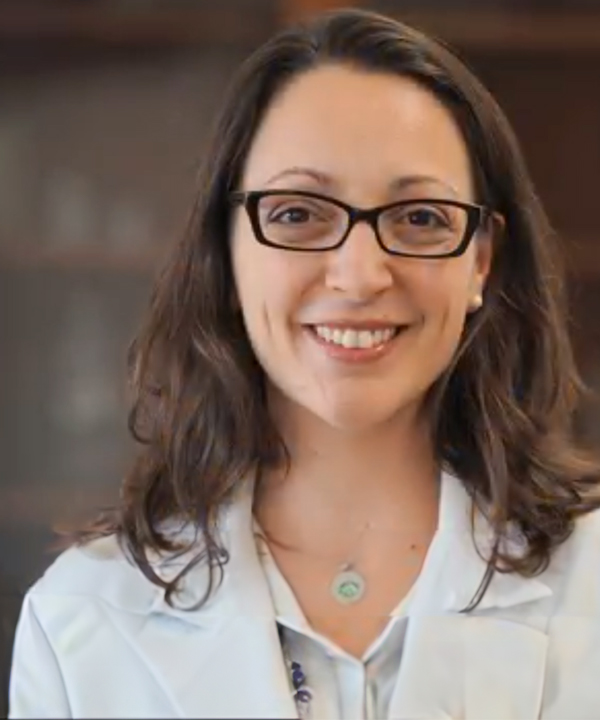
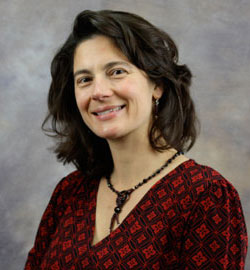
Bianca Brandon
Bianca Brandon
[Bio]

FROM GROUND ZERO TO THE CLASSROOM: FORENSIC IDENTIFICATION AFTER 9/11

A Significant Forensic Challenge
Examine one of the most significant forensic challenges in modern history, the identification of victims from the September 11th attacks.

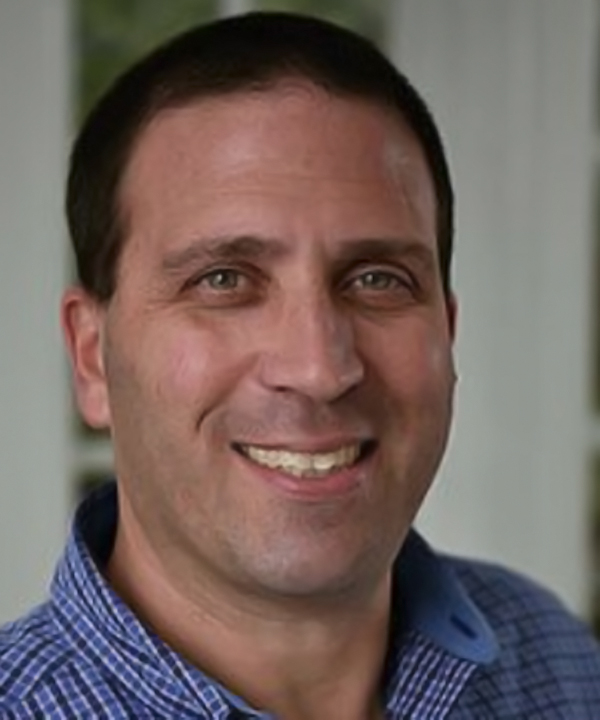
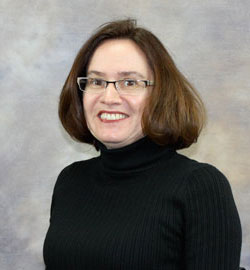
Scott Rubins
Scott Rubins
[Bio]

Explore Two Cornerstone Methods of Human Identification 
Gain insight into how science helps answer some of the most complex questions in forensic investigation through two practitioner-led sessions.

Dental Identification
This lecture introduces the principles of forensic dental identification followed by a hands-on activity to apply odontological techniques using sample classes. 

DNA-Based Identification 
A lecture on DNA-based identification is followed by a complementary activity, allowing students to work through the logic and process of genetic identification.
Together, these sessions offer a rare, practitioner-led look at how science answers the questions left behind by tragedy.

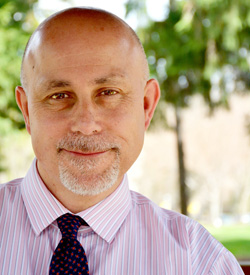
Lawrence Quarino
Lawrence Quarino, Ph.D., ABC-GKE- Director, Berner Center
[Bio]

Unlock the Secrets Hidden in Plain Sight!

The Tiniest Clues Can Crack the Biggest Cases
Dive into the fascinating world of trace evidence and explore why these microscopic details are the unsung heroes of criminal investigations. From strands of hair and fabric fibers to shattered glass, paint chips, and soil samples, no clue is too small to tell a story.

Hands-On Techniques with Budget-Friendly Tools
Using hands-on comparative analysis techniques with microscopes and other clever, budget-friendly tools, teachers will walk away with exciting, ready-to-use laboratory activities that work perfectly — even with limited school resources.

The Body Doesn’t Lie — Learn How Science Reveals the Truth!

Bring One of Forensic Science’s Most Compelling Topics into Your Classroom
Explore the power of presumptive testing — uncovering how investigators identify body fluids and what those findings mean for a case. But that’s just the beginning!

Dive Deep into the Remarkable World of DNA Analysis
Discover how this cutting-edge science has revolutionized personal identification in forensic investigations. From sample collection to final profile, get a behind-the-scenes look at the step-by-step process used in real forensic laboratories.

No Need for a Fully Equipped Lab to Make it Happen!
Engaging and innovative “dry” classroom activities using DNA profiles will be demonstrated, giving teachers the tools to bring the excitement of forensic DNA science to life — no pipettes required.

Carol Ritter
Carol Ritter, M.S., ABC-GKE
[Bio]

BEYOND THE BONES: Using Science to Give the Nameless a Name – When the Evidence is Silent, Science Speaks

Identify the Unidentified
Thousands of skeletal remains across the United States are still waiting to be identified. Behind every case is one urgent question: Who were they?
In this compelling hands-on session, educators become forensic investigators, using science and technology to help solve that mystery.

Hands-On Forensic Anthropology
Examine skeletal remains to estimate sex, stature, and age at death—the key foundations of human identification.

DNA Phenotyping in Action
Analyze real SNP DNA profiles using open-source software to predict physical traits such as eye color, hair color, skin tone, and ancestry.

Explore Genetic Genealogy
Get introduced to Forensic Investigative Genetic Genealogy (FIGG)—the groundbreaking method used to solve cold cases and bring answers to families after decades of waiting.

WRITTEN IN BLOOD: The Physics Behind the Pattern – The Scene Has Already Told Its Story. Do You Know How to Read It?

Blood Doesn’t Lie—It Tells a Story Through Science
Every drop, spatter, smear, and pool at a crime scene can reveal what happened, how it happened, and sometimes who was involved.
In this hands-on session, explore the fascinating science behind Bloodstain Pattern Analysis (BPA) and learn how investigators interpret blood evidence.

Create and Analyze Patterns
Produce your own bloodstain patterns and examine common stain types found at crime scenes.

Explore the Physics of Blood
Learn how surface tension, velocity, angle of impact, directionality, and fluid dynamics influence blood behavior.

Reconstruct the Scene
Apply your new skills to a real case study and piece together events using blood evidence alone.

K. Joy Karnas
Joy Karnas, Ph.D
[Bio]

Can You Taste Genetics? Investigating DNA Mutations Through the Bitter Taste Receptor

Explore the Science of Forensic DNA
Discover the core biology behind modern forensic DNA analysis through an engaging, hands-on learning experience.

DNA Basics Made Practical
Examine DNA structure, sequencing, and common genetic mutations that help scientists identify individuals.

The Genetics of Taste
Use the human bitter taste receptor gene as a model to analyze DNA differences linked to bitter tasting ability and compare those traits with other primates.

Hands-On PCR & Gel Electrophoresis
Amplify your own genomic DNA using PCR, then visualize the results through gel electrophoresis—the same techniques used in forensic laboratories.

See What Makes Us Unique
Learn how even small genetic differences can be used to distinguish one individual from another.

Marianne Staretz
Marianne Staretz, Ph.D
[Bio]

Forensic Toxicology: What’s in the Body Tells a Story — Can You Decode It?

Chemicals Leave Clues
From everyday medications to harmful exposures, chemicals leave clues inside the body that toxicologists are trained to uncover!

Dive into the Fascinating World of Toxicology and Forensic Toxicology
Explore how substances are absorbed, distributed, metabolized, and eliminated—and how these processes help investigators determine what happened.

Step into the Role of a Toxicologist
Perform safe, classroom-friendly color tests to detect compounds like acetaminophen and salicylates in simulated biological samples.

Forensic Chemistry: Unknown Substance?
Time to Crack the Case!

Not All Evidence Is What It Seems—How Do Forensic Chemists Uncover the Truth?
Explore how chemistry helps identify unknown materials, from powders to residues, using fast and effective screening techniques.

Become the Analyst!
Perform a series of safe, non-controlled color tests to examine unknown substances, just like real forensic scientists.
Learn how to observe chemical reactions, interpret color changes, and understand the strengths and limitations of presumptive tests—all through activities that are exciting, accessible, and easily adaptable for middle and high school classrooms.

For this immersive workshop, you’ll receive:

  • Three full days of instruction
  •  Hands-on training in core forensic disciplines led by industry experts
  • All materials
  • Demonstrations
  • Lab activities
  • Daily lunch

Space is limited!

Register today and bring forensic science to life in your classroom.

Registration fee is $650.